Purpose: Banchan serve multiple purposes in a Korean meal:
Complementing Rice: They provide additional flavors and textures that complement plain rice, making the meal more satisfying and balanced.
Enhancing Dining Experience: Banchan add diversity to the dining experience, offering contrasts in taste, color, and temperature.
Nutritional Value: Many banchan are rich in vitamins, minerals, and fiber, contributing to a well-rounded diet. Health Benefits: Many banchan feature vegetables, which are a staple in Korean cuisine. They are often prepared with minimal oil and can be low in calories while providing essential nutrients.
Purpose: Banchan serve multiple purposes in a Korean meal:
Complementing Rice: They provide additional flavors and textures that complement plain rice, making the meal more satisfying and balanced.
Enhancing Dining Experience: Banchan add diversity to the dining experience, offering contrasts in taste, color, and temperature.
Nutritional Value: Many banchan are rich in vitamins, minerals, and fiber, contributing to a well-rounded diet. Health Benefits: Many banchan feature vegetables, which are a staple in Korean cuisine. They are often prepared with minimal oil and can be low in calories while providing essential nutrients.
Purpose: Banchan serve multiple purposes in a Korean meal:
Complementing Rice: They provide additional flavors and textures that complement plain rice, making the meal more satisfying and balanced.
Enhancing Dining Experience: Banchan add diversity to the dining experience, offering contrasts in taste, color, and temperature.
Nutritional Value: Many banchan are rich in vitamins, minerals, and fiber, contributing to a well-rounded diet. Health Benefits: Many banchan feature vegetables, which are a staple in Korean cuisine. They are often prepared with minimal oil and can be low in calories while providing essential nutrients.
Purpose: Banchan serve multiple purposes in a Korean meal:
Complementing Rice: They provide additional flavors and textures that complement plain rice, making the meal more satisfying and balanced.
Enhancing Dining Experience: Banchan add diversity to the dining experience, offering contrasts in taste, color, and temperature. Nutritional Value: Many banchan are rich in vitamins, minerals, and fiber, contributing to a well-rounded diet. Health Benefits: Many banchan feature vegetables, which are a staple in Korean cuisine. They are often prepared with minimal oil and can be low in calories while providing essential nutrients.
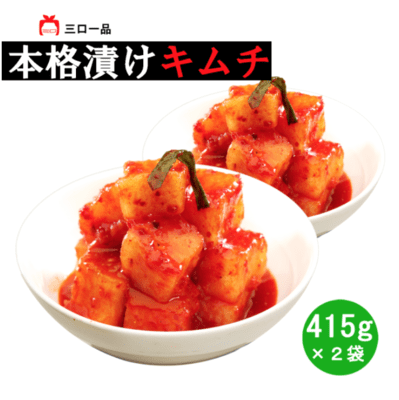
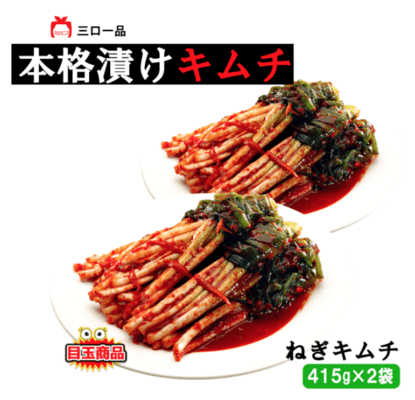
ngredients: Reddish kimchi is typically made with chonggak radishes as the main ingredient. These radishes are characterized by their long, slender shape and reddish skin. The radishes are often kept whole or cut into smaller pieces, depending on personal preference. Other ingredients commonly used include garlic, ginger, green onions, Korean red pepper flakes (gochugaru), fish sauce (or salted shrimp), sugar, and salt.
Preparation: Chonggak radishes are cleaned thoroughly and often left whole with their greens intact, which adds a distinctive appearance to the kimchi. The radishes are salted to draw out excess moisture and then rinsed before being mixed with the seasoning paste. The seasoning paste is a mixture of garlic, ginger, green onions, gochugaru, fish sauce (or salted shrimp), sugar, and salt. This paste is rubbed onto the radishes to ensure even coating.
Fermentation: Reddish kimchi undergoes a fermentation process, similar to other types of kimchi. The salt and seasoning paste help to preserve the radishes and initiate the fermentation process. Fermentation can take several days to a week, during which the flavors develop and mature.
Purpose: Banchan serve multiple purposes in a Korean meal:
Complementing Rice: They provide additional flavors and textures that complement plain rice, making the meal more satisfying and balanced.
Enhancing Dining Experience: Banchan add diversity to the dining experience, offering contrasts in taste, color, and temperature.
Nutritional Value: Many banchan are rich in vitamins, minerals, and fiber, contributing to a well-rounded diet. Health Benefits: Many banchan feature vegetables, which are a staple in Korean cuisine. They are often prepared with minimal oil and can be low in calories while providing essential nutrients.
Variety: Banchan encompass a wide variety of dishes, each offering different flavors, textures, and nutritional benefits. They can range from simple pickled vegetables to complex preparations involving marinated meats or seafood.
Purpose: Banchan serve multiple purposes in a Korean meal:
Complementing Rice: They provide additional flavors and textures that complement plain rice, making the meal more satisfying and balanced.
Enhancing Dining Experience: Banchan add diversity to the dining experience, offering contrasts in taste, color, and temperature.
Nutritional Value: Many banchan are rich in vitamins, minerals, and fiber, contributing to a well-rounded diet. Health Benefits: Many banchan feature vegetables, which are a staple in Korean cuisine. They are often prepared with minimal oil and can be low in calories while providing essential nutrients.
Ingredients: Reddish kimchi is typically made with chonggak radishes as the main ingredient. These radishes are characterized by their long, slender shape and reddish skin. The radishes are often kept whole or cut into smaller pieces, depending on personal preference. Other ingredients commonly used include garlic, ginger, green onions, Korean red pepper flakes (gochugaru), fish sauce (or salted shrimp), sugar, and salt.
Preparation: Chonggak radishes are cleaned thoroughly and often left whole with their greens intact, which adds a distinctive appearance to the kimchi. The radishes are salted to draw out excess moisture and then rinsed before being mixed with the seasoning paste. The seasoning paste is a mixture of garlic, ginger, green onions, gochugaru, fish sauce (or salted shrimp), sugar, and salt. This paste is rubbed onto the radishes to ensure even coating.
Fermentation: Reddish kimchi undergoes a fermentation process, similar to other types of kimchi. The salt and seasoning paste help to preserve the radishes and initiate the fermentation process. Fermentation can take several days to a week, during which the flavors develop and mature.
Ingredients: Reddish kimchi is typically made with chonggak radishes as the main ingredient. These radishes are characterized by their long, slender shape and reddish skin. The radishes are often kept whole or cut into smaller pieces, depending on personal preference. Other ingredients commonly used include garlic, ginger, green onions, Korean red pepper flakes (gochugaru), fish sauce (or salted shrimp), sugar, and salt.
Preparation: Chonggak radishes are cleaned thoroughly and often left whole with their greens intact, which adds a distinctive appearance to the kimchi. The radishes are salted to draw out excess moisture and then rinsed before being mixed with the seasoning paste. The seasoning paste is a mixture of garlic, ginger, green onions, gochugaru, fish sauce (or salted shrimp), sugar, and salt. This paste is rubbed onto the radishes to ensure even coating.
Fermentation: Reddish kimchi undergoes a fermentation process, similar to other types of kimchi. The salt and seasoning paste help to preserve the radishes and initiate the fermentation process. Fermentation can take several days to a week, during which the flavors develop and mature.
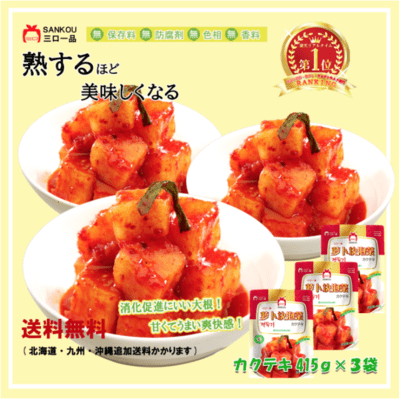
Ingredients: Onion kimchi is primarily made with onions as the main ingredient. Alongside onions, it typically includes garlic, ginger, green onions, and sometimes carrots or radishes. The seasoning often includes Korean red pepper flakes (gochugaru), fish sauce (or salted shrimp), sugar, and salt.
Preparation: Onions are usually cut into wedges or thinly sliced and then salted to draw out moisture. The seasoning mixture, which can vary slightly depending on the recipe, is then mixed with the onions. This mixture is thoroughly combined to ensure all the onions are coated with the flavorful seasoning.
Fermentation: Like traditional kimchi, onion kimchi undergoes a fermentation process. The salt and seasonings work to preserve the onions and encourage fermentation. Fermentation can take a few days to develop the desired tangy flavor. During fermentation, flavors deepen and develop complexity.