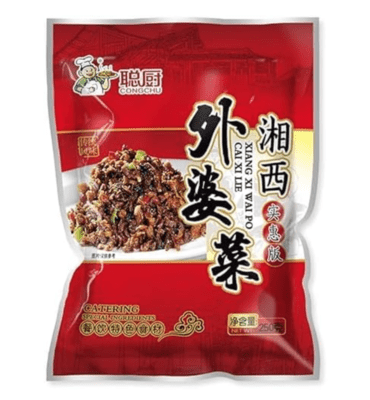
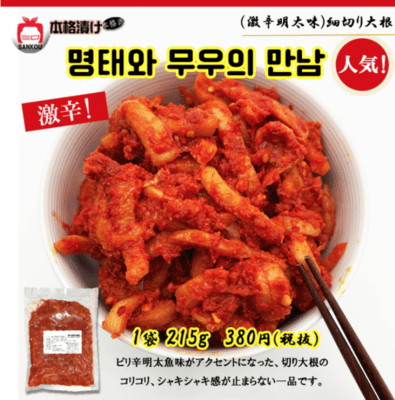
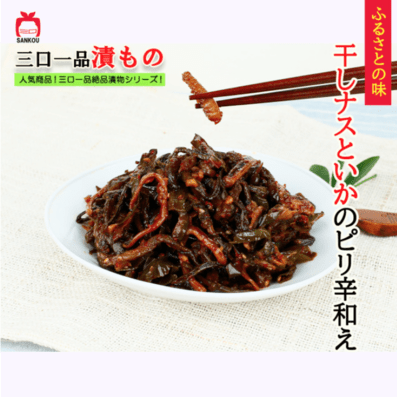
Description: Packaging standard is 250g/bag, Shelf life is 180 days (Note: the date on packaging is production date, not end date)
Ingredients: killed radish, plum vegeta, wasabi, cabbage, chili pepper, etc
How to eat: This is a pre-made food of a semi-finished product. You need to open the package and put it in the pan. Add your favorite toppings (chili pepper, onions, etc.), condiments, plum sauce and fry for 5 minutes to enjoy the delicious taste
Storage Method: Store at room temperature to avoid sunlight exposure
Purpose: Banchan serve multiple purposes in a Korean meal:
Complementing Rice: They provide additional flavors and textures that complement plain rice, making the meal more satisfying and balanced.
Enhancing Dining Experience: Banchan add diversity to the dining experience, offering contrasts in taste, color, and temperature.
Nutritional Value: Many banchan are rich in vitamins, minerals, and fiber, contributing to a well-rounded diet. Health Benefits: Many banchan feature vegetables, which are a staple in Korean cuisine. They are often prepared with minimal oil and can be low in calories while providing essential nutrients.
Purpose: Banchan serve multiple purposes in a Korean meal:
Complementing Rice: They provide additional flavors and textures that complement plain rice, making the meal more satisfying and balanced.
Enhancing Dining Experience: Banchan add diversity to the dining experience, offering contrasts in taste, color, and temperature.
Nutritional Value: Many banchan are rich in vitamins, minerals, and fiber, contributing to a well-rounded diet. Health Benefits: Many banchan feature vegetables, which are a staple in Korean cuisine. They are often prepared with minimal oil and can be low in calories while providing essential nutrients.
Purpose: Banchan serve multiple purposes in a Korean meal:
Complementing Rice: They provide additional flavors and textures that complement plain rice, making the meal more satisfying and balanced.
Enhancing Dining Experience: Banchan add diversity to the dining experience, offering contrasts in taste, color, and temperature.
Nutritional Value: Many banchan are rich in vitamins, minerals, and fiber, contributing to a well-rounded diet. Health Benefits: Many banchan feature vegetables, which are a staple in Korean cuisine. They are often prepared with minimal oil and can be low in calories while providing essential nutrients.
Purpose: Banchan serve multiple purposes in a Korean meal:
Complementing Rice: They provide additional flavors and textures that complement plain rice, making the meal more satisfying and balanced.
Enhancing Dining Experience: Banchan add diversity to the dining experience, offering contrasts in taste, color, and temperature. Nutritional Value: Many banchan are rich in vitamins, minerals, and fiber, contributing to a well-rounded diet. Health Benefits: Many banchan feature vegetables, which are a staple in Korean cuisine. They are often prepared with minimal oil and can be low in calories while providing essential nutrients.
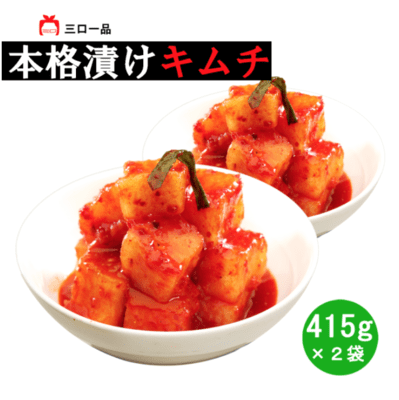
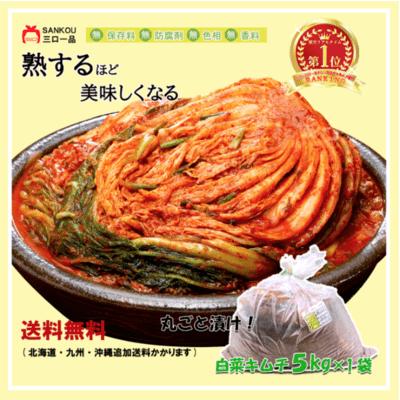
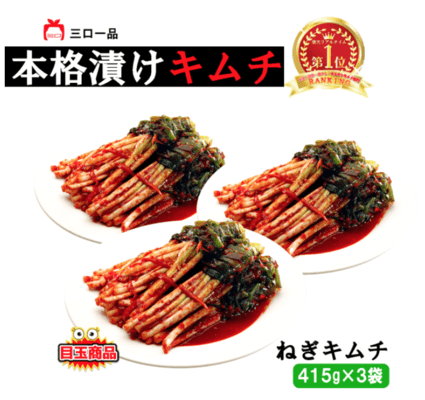
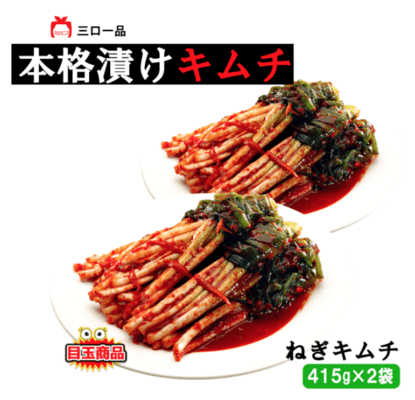
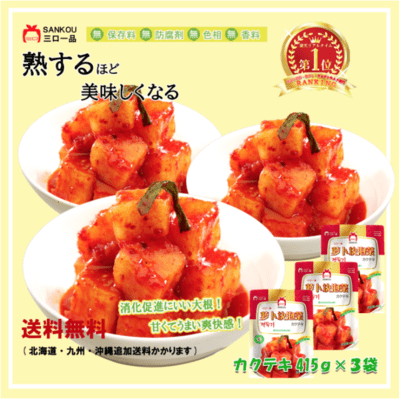
ngredients: Reddish kimchi is typically made with chonggak radishes as the main ingredient. These radishes are characterized by their long, slender shape and reddish skin. The radishes are often kept whole or cut into smaller pieces, depending on personal preference. Other ingredients commonly used include garlic, ginger, green onions, Korean red pepper flakes (gochugaru), fish sauce (or salted shrimp), sugar, and salt.
Preparation: Chonggak radishes are cleaned thoroughly and often left whole with their greens intact, which adds a distinctive appearance to the kimchi. The radishes are salted to draw out excess moisture and then rinsed before being mixed with the seasoning paste. The seasoning paste is a mixture of garlic, ginger, green onions, gochugaru, fish sauce (or salted shrimp), sugar, and salt. This paste is rubbed onto the radishes to ensure even coating.
Fermentation: Reddish kimchi undergoes a fermentation process, similar to other types of kimchi. The salt and seasoning paste help to preserve the radishes and initiate the fermentation process. Fermentation can take several days to a week, during which the flavors develop and mature.
Purpose: Banchan serve multiple purposes in a Korean meal:
Complementing Rice: They provide additional flavors and textures that complement plain rice, making the meal more satisfying and balanced.
Enhancing Dining Experience: Banchan add diversity to the dining experience, offering contrasts in taste, color, and temperature.
Nutritional Value: Many banchan are rich in vitamins, minerals, and fiber, contributing to a well-rounded diet. Health Benefits: Many banchan feature vegetables, which are a staple in Korean cuisine. They are often prepared with minimal oil and can be low in calories while providing essential nutrients.
Variety: Banchan encompass a wide variety of dishes, each offering different flavors, textures, and nutritional benefits. They can range from simple pickled vegetables to complex preparations involving marinated meats or seafood.
Purpose: Banchan serve multiple purposes in a Korean meal:
Complementing Rice: They provide additional flavors and textures that complement plain rice, making the meal more satisfying and balanced.
Enhancing Dining Experience: Banchan add diversity to the dining experience, offering contrasts in taste, color, and temperature.
Nutritional Value: Many banchan are rich in vitamins, minerals, and fiber, contributing to a well-rounded diet. Health Benefits: Many banchan feature vegetables, which are a staple in Korean cuisine. They are often prepared with minimal oil and can be low in calories while providing essential nutrients.
Ingredients: Reddish kimchi is typically made with chonggak radishes as the main ingredient. These radishes are characterized by their long, slender shape and reddish skin. The radishes are often kept whole or cut into smaller pieces, depending on personal preference. Other ingredients commonly used include garlic, ginger, green onions, Korean red pepper flakes (gochugaru), fish sauce (or salted shrimp), sugar, and salt.
Preparation: Chonggak radishes are cleaned thoroughly and often left whole with their greens intact, which adds a distinctive appearance to the kimchi. The radishes are salted to draw out excess moisture and then rinsed before being mixed with the seasoning paste. The seasoning paste is a mixture of garlic, ginger, green onions, gochugaru, fish sauce (or salted shrimp), sugar, and salt. This paste is rubbed onto the radishes to ensure even coating.
Fermentation: Reddish kimchi undergoes a fermentation process, similar to other types of kimchi. The salt and seasoning paste help to preserve the radishes and initiate the fermentation process. Fermentation can take several days to a week, during which the flavors develop and mature.
Ingredients: Reddish kimchi is typically made with chonggak radishes as the main ingredient. These radishes are characterized by their long, slender shape and reddish skin. The radishes are often kept whole or cut into smaller pieces, depending on personal preference. Other ingredients commonly used include garlic, ginger, green onions, Korean red pepper flakes (gochugaru), fish sauce (or salted shrimp), sugar, and salt.
Preparation: Chonggak radishes are cleaned thoroughly and often left whole with their greens intact, which adds a distinctive appearance to the kimchi. The radishes are salted to draw out excess moisture and then rinsed before being mixed with the seasoning paste. The seasoning paste is a mixture of garlic, ginger, green onions, gochugaru, fish sauce (or salted shrimp), sugar, and salt. This paste is rubbed onto the radishes to ensure even coating.
Fermentation: Reddish kimchi undergoes a fermentation process, similar to other types of kimchi. The salt and seasoning paste help to preserve the radishes and initiate the fermentation process. Fermentation can take several days to a week, during which the flavors develop and mature.